

Planning a full renovation in Alicante means knowing the current prices, the stages of a well-organised project and the most suitable materials for the Mediterranean climate. This guide brings together everything you need if you want to renovate a home with peace of mind, keeping the budget under control and avoiding the most common mistakes.
How much does a full renovation in Alicante cost in 2025?
The average price of a full renovation in Alicante ranges from €700 to €900/m² for standard specifications and from €1,000 to €1,400/m² for premium finishes, bespoke furniture or complex reconfigurations. This means renovating an 80 m² flat usually costs:
- Budget: €45,000–€55,000
- Mid-range: €55,000–€72,000
- High-end: €80,000–€110,000
Price variations depend on factors such as the property’s current condition, whether services need replacing, the quality of materials, or whether the layout needs to be changed.
Ranges by property type
- Modern flat (1990–2005): €650–€850/m²
- Older flat (over 40 years): €900–€1,300/m²
- Detached home: €1,100–€1,500/m²
Older homes in areas such as Carolinas, Benalúa or the traditional city centre often require electrical rewiring, full plumbing replacement and masonry reinforcement, which increases the final cost.
Factors that influence the final price of a full renovation
To calculate a realistic budget, you need to consider these variables:
1. Current condition of the property
The worse the condition, the more items will be needed: damp, outdated services, damaged partitions… This is very common in buildings built before 1975.
2. Specifications and materials
Choosing the type of flooring, joinery, sanitaryware or wall finishes can affect up to 40% of the total renovation cost.
3. Internal reconfiguration
Removing partitions, opening the kitchen to the living room or altering bathrooms involves extra plumbing, electrical work and structural reinforcement.
4. New installations
- Full plumbing: €2,500–€5,000
- Electrical: €2,200–€4,500
- Ducted air conditioning: €3,500–€7,500
5. Timelines and project complexity
A well-planned full renovation usually takes between 6 and 10 weeks, but complex projects or larger homes can take 12–14 weeks.
Prices by trade: masonry, installations, flooring and joinery
Below are indicative prices based on real renovations in Alicante:
Demolition
- Demolish a full bathroom: €450–€650
- Demolish a full kitchen: €350–€600
- Remove a partition wall: €25–€45/m²
Masonry and partitioning
- Rendering and plastering: €14–€22/m²
- Building partition walls: €35–€55/m²
Electrical installation
- 80 m² flat: €2,200–€3,800
- New consumer unit: €350–€900
Plumbing
- Kitchen: €350–€700
- Bathroom: €550–€950
- Whole property: €2,500–€5,000
Flooring and wall finishes
- Mid-range porcelain tiles: €18–€40/m²
- Wood-effect porcelain tiles: €28–€55/m²
- Installation: €16–€28/m²
Joinery
- Lacquered doors: €240–€350/unit
- Solid wood doors: €370–€650/unit
- PVC windows: €350–€650/m²
Recommended materials for homes in Alicante
The Mediterranean climate brings very hot summers, coastal humidity and intense sun exposure. For this reason, the recommended materials in Alicante are:
Porcelain flooring
It withstands humidity and expansion and does not deteriorate in the heat. It also requires little maintenance.
External joinery with thermal break
Windows with thermal break and low-emissivity glass help reduce heat gain.
Breathable paints
They prevent condensation and staining in homes near the sea.
Mineral wool insulation
It improves energy efficiency without increasing the cost too much.
Plasterboard panels (Pladur)
They allow the home to be reconfigured quickly and provide good acoustic insulation.
Steps for a well-planned full renovation
A professional full renovation is organised into the following stages:
1. Initial assessment and measurements
Existing services, structure, lighting points, floor condition and the client’s actual needs are assessed.
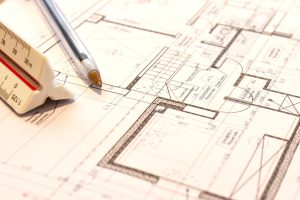
2. Project preparation and layout plan
This includes the kitchen and bathroom design, services calculations and the final partition layout.
3. Demolition and rubble removal
Old elements are removed: flooring, tiling, partitions and kitchen units.
4. New plumbing and electrical work
These are fully updated to comply with regulations and prevent future issues. This includes replacing pipes, wiring, sockets and the consumer unit.
5. Masonry work and surface levelling
Walls are prepared for finishes and the new divisions are built.
6. Installation of flooring and wall finishes
Porcelain flooring is the most common option in Alicante, followed by AC5 laminate.
7. Internal and external joinery
Lacquered or natural wood doors are fitted, as well as PVC or aluminium windows with thermal break.
8. Painting and final details
Application of plastic paint or breathable paints in homes near the sea.
9. Final clean and handover
The property must be handed over clean, functional and ready to move into.
Regulations and permits required in Alicante
In Alicante, there are two main routes for carrying out a renovation:
Minor works
For changes without structural demolition or complex installations. Prior notification is required.
Major works
Required when there is internal reconfiguration, full installations, reinforcements or structural impact. A municipal licence is required.
The City Council may request a technical report, measurements, plans and a responsible declaration depending on the type of work.
Tips to save money without sacrificing quality in your renovation
- Choose mid-range materials: the best value for money.
- Request an itemised quote: avoid surprises and hidden costs.
- Do not change the layout unless necessary: this is what increases the cost the most.
- Choose porcelain throughout the home: durable, cost-effective and resistant to humidity and heat.
- Sign a fixed-price contract with deadlines: essential for controlling costs.
1. What is the average price of a full renovation in Alicante?
In 2025, the cost usually ranges between €700 and €900/m², depending on specifications, the property’s current condition and whether new installations are included. Renovations of older homes tend to involve more unforeseen items.
2. How long does a complete full renovation take?
Typically, it takes 6 to 10 weeks, although homes over 120 m² or structural renovations can take 12–14 weeks. The most time-consuming phase is usually coordinating the installations.
3. Do you need a licence for a full renovation in Alicante?
Yes. For works involving demolition, installations or internal reconfiguration, a major works licence or responsible declaration is required, depending on Alicante City Council. For cosmetic renovations, prior notification is sufficient.
4. Which materials work best in homes in Alicante?
The most recommended are moisture-resistant porcelain tiles, joinery with thermal break, breathable paints and mineral wool insulation, ideal for the area’s warm climate.
5. How can you avoid cost overruns in a full renovation?
Request an itemised quote, plan in phases, check old installations and sign a contract with fixed deadlines and specifications. Deviations mainly arise from items not reviewed at the outset.